Quick Navigation
Since most of our childhood, we always knew that ‘living room’ and ‘drawing room’ are synonymous terms used interchangeably. Never did it occur that either of them could be different from the other. But the rising evolution in interior design has made us question the difference between living room and drawing room in recent times. If you are a newbie, you might be thinking, is there even a distinction at all? Oh yes, despite both the rooms being used for relaxing, socializing, and unwinding, there are numerous distinctions. Both these rooms carry dissimilarities in terms of their histories and functions. In this blog, Studio Interplay will delve deeper into the idiosyncrasies of both these rooms and how the spaces can be elevated.
What is a Drawing Room?
We have noticed how our parents and other elders designated a specific space, mostly the midst of our houses and called it the ‘drawing room’. The room mostly evoked a sense of comfort, amiability, and freedom as it comprised a big sofa with an equally big coffee table. The term drawing room was first coined in the 16th century and later in the 19th century and was quite a rage just a few centuries ago. In fact, one intriguing fact about the drawing room is, that women generally distanced themselves from this space since it was mostly dominated by men’s gatherings.
What is a Living Room?

Difference Between Living Room and Drawing Room
1. Location
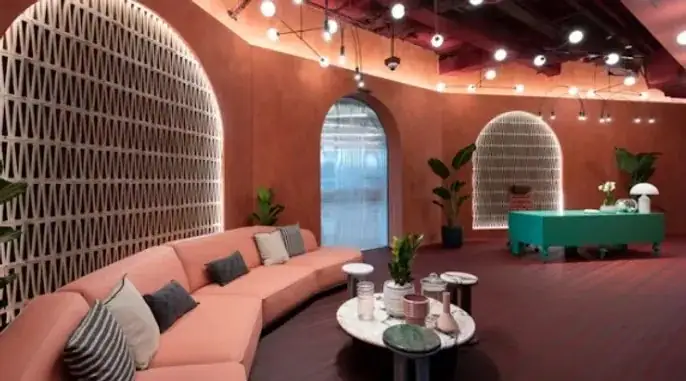
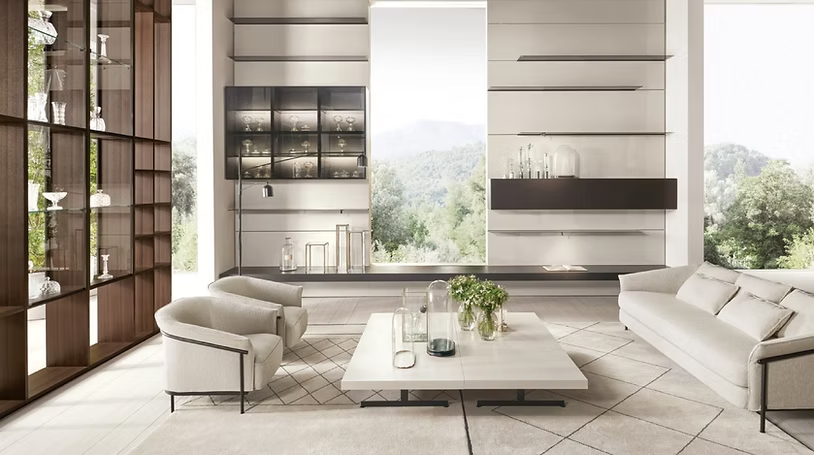
2. Interior Design
3. Tones and Moods
Top Interior Design Tips For Your Living Or Drawing Room By Studio Interplay
Studio Interplay, the best interior designer in Gurgaon holds extensive knowledge of designing myriad rooms, and both drawing and living rooms fall under it. If you are looking forward to decking your living room then check out the below tips listed by the top interior designers in gurgaon.
Establish Your Style: Think about the general look you’re going for. Knowing what kind of style you have modern, traditional, eclectic, or minimalist—will help you make more informed design decisions.
Pick a Coherent Colour Palette: Make sure the colour scheme you choose reflects the mood and function of the space. While flashes of colour can offer vitality and flair, neutral tones make a background that is timeless and adaptable.

Functional Furniture: Make an investment in furniture that has a purpose in addition to being well-made. Choose cosy seating configurations that promote conversation, and think about how to improve traffic flow with the layout.
Be Mindful of How You Accessorize: Art, carpets, and throw cushions are examples of decorative accents that can improve the aesthetics of your living space. Allow each element to contribute to the overall design while keeping things in balance and avoiding clutter.
Personal Touch: Add a personal touch to the space by using objects from your trips, artwork, or family photos to bring your individuality to life. These components give the area personality and personalise it as your own.
Statement Pieces: Furniture or décor that makes a statement might be used as a focal point in an area. It may be an eye-catching work of art that draws attention, a coffee table with an eye-catching colour, or a sofa.

Greenery: To give some freshness and a hint of nature, add some plants or flowers to bring in the outdoors. In addition to improving the interior’s aesthetics, greenery also makes the space healthier.
Functional Storage: Include both fashionable and practical storage options to keep the space organised. By doing this, you may reduce clutter and keep things looking tidy.
Can a Home Have Both a Living Room and a Drawing Room?
Yes, larger homes or traditional houses can have both a living room and a drawing room. In such cases, the drawing room is typically used as a formal space for entertaining guests, while the living room serves as a casual family area for everyday activities like watching TV, relaxing, or spending time together.
In Conclusion
In summary, the difference between a living room and a drawing room stems from both their historical backgrounds and the changing functions they play in modern households. The drawing room exudes sophistication and formality for special events, while the living room serves a family’s day-to-day space in a more laid-back setting. As one of the best interior designers in gurgaon, Studio Interplay thrives at creating rooms that slickly combine tradition, modernity, and customisation. Understanding these distinctions enables careful interior design. Whether creating a sophisticated drawing room or a comfortable living room, the composition of the best interior designer in Gurgaon is dedicated to excellence in creativity, utility, and aesthetics.
Frequently Asked Questions
Q1. What is the drawing room used for?
Q2. What is a living room used for?
A living room is a multipurpose room in a house that’s mostly used for entertaining, socialising, and leisure. It usually has entertainment systems, soft seating, and a central location for family and friends to congregate, creating a warm and welcoming ambience throughout the house.
Q3. How to design the interior of a living room?
Trust Studio Interplay for the best design for home interior. Using Studio Interplay’s experience, design the interior of a living room with an emphasis on furnishings, colour palettes, lighting, and décor. With their creative approach, they produce visually stunning and functionally harmonious living spaces that make for a remarkable interior design experience.
Q4. Can a living room be used as a drawing room?
Yes, in many modern homes the living room also functions as a drawing room, especially when it is designed to accommodate both family gatherings and guest interactions.
Q5. How should you design a modern living room?
A modern living room should focus on comfortable seating, proper lighting, balanced colour palettes, and functional storage. Adding personal decor elements such as artwork, plants, and statement furniture can also enhance the space.

Co-Founder & Principal Designer at Studio Interplay
Palak approaches design as a dialogue between space and emotion. With a deep appreciation for materiality and detail, she creates interiors that reflect the people who inhabit them rather than the trends of the moment.