Quick Navigation
You have a beautiful design. You have a contractor. You have a budget and a timeline. So why do so many construction projects still end up running late, over budget, and delivering results that don’t quite match what was planned?
The answer, almost every time, is the absence of disciplined construction project management.
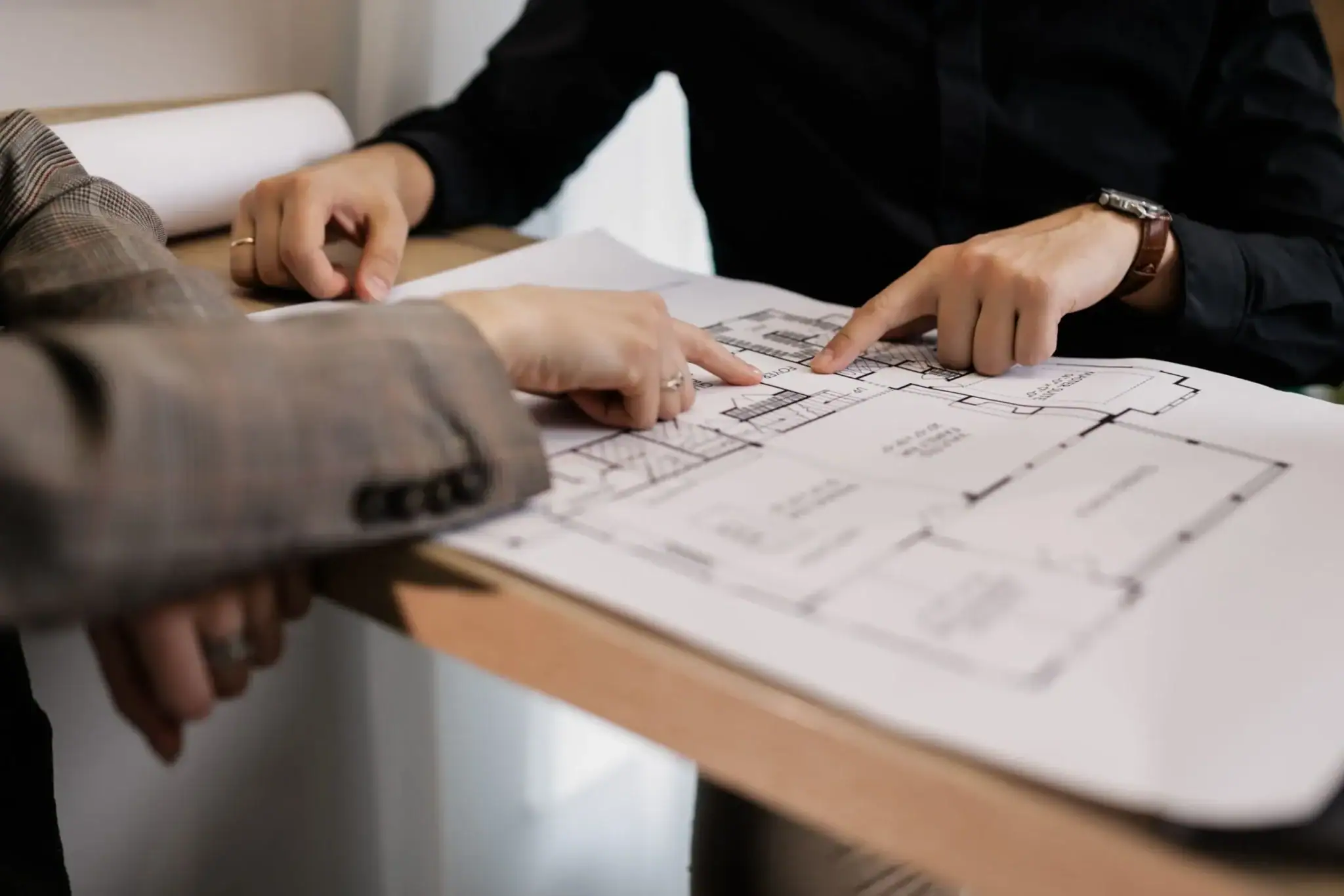
A construction project management company is the professional layer between what gets designed and what actually gets built. It’s the discipline that turns drawings into reality – on time, to specification, and without the budget surprises that make renovation and construction projects so stressful for homeowners and developers alike.
If you’re planning a home, a villa, a commercial space, or a full renovation in India, understanding what construction project management involves and why it matters is one of the most valuable things you can do before a single wall goes up.
The Problem Construction Management Solves
Here is what happens without it.
An architect hands over drawings. A contractor begins work. Somewhere between the drawing and the execution, things start to diverge. Materials are substituted without approval. Work proceeds out of sequence because no one is coordinating the trades. A plumbing decision made in week three creates a tiling problem in week eight. The timeline slips. Costs accumulate. The client is the last to know.
This is not an unusual story. It is the most common story in unmanaged construction projects across India.
Building construction project management exists to prevent exactly this. It places a professional – with technical knowledge, coordination authority, and accountability – between the design intent and the construction reality, ensuring that the gap between them is as small as possible.
What a Construction Project Management Company Actually Does
The scope of construction management is broader than most people expect. It is not simply oversight. It is active, structured coordination across every workstream of a project, from before the first shovel goes into the ground to the day the keys are handed over.
Pre-Construction: Planning Before Anything Is Built
The most consequential decisions in any construction project are made before construction begins. A good construction project management process starts here:
- Brief validation: Reviewing the design against the client’s actual brief to catch gaps before they become built-in problems.
- Scope definition: Clearly establishing what is included in the project, what is excluded, and what contingencies exist.
- Programme development: Creating a detailed construction schedule that sequences every workstream – civil, structural, MEP (mechanical, electrical, plumbing), carpentry, finishing – in the right order, with realistic durations.
- Budget planning: Preparing a detailed cost plan that accounts for materials, labour, professional fees, and contingency – not a rough number padded with assumptions.
- Vendor and contractor selection: Identifying, evaluating, and onboarding the right specialists for each element of the project.
During Construction: Where Management Earns Its Value
This is where the difference between managed and unmanaged projects becomes most visible.
Building project management during the construction phase includes:
- Daily and weekly site supervision: Monitoring work quality, progress against programme, and identifying deviations from drawings before they become expensive problems.
- Trade coordination: Managing the sequencing between different contractors and trades – ensuring that the electrician doesn’t chase walls after the plasterer has finished, that the waterproofing is applied before the tiles go down.
- Material inspection and approval: Verifying that materials delivered to the site match what was specified – preventing substitutions that compromise quality or design intent.
- Variation management: When changes are needed (and they always arise), managing them formally – assessing cost and programme impact, getting client approval, and updating the project record.
- Progress reporting: Keeping the client genuinely informed – not with vague reassurances, but with accurate progress data against the agreed programme and budget.
Post-Construction: The Handover That Matters
Construction project management in gurgaon often falls apart at this stage – projects are declared “complete” before they actually are, with snagging lists ignored and clients left chasing resolution.
A thorough construction management process ends with:
- Systematic snagging: A rigorous inspection of every element against the design specification before handover is accepted.
- As-built documentation: Recording what was actually built, including any changes from the original drawings – essential for future maintenance and modifications.
- Defect liability management: Ensuring that any issues arising in the post-handover period are properly tracked and resolved by the responsible contractor.
The Construction Management System: What Good Looks Like
A professional construction management system is not a project manager with a clipboard. It is a structured methodology with defined tools, processes, and reporting mechanisms.
The best construction management operations use:
- Programme management software to track progress against baseline schedules in real time.
- Cost management frameworks that track committed costs, actual expenditure, and forecast final cost at every stage.
- Document control systems that ensure the right version of every drawing, specification, and instruction is in use on site at all times.
- Quality inspection protocols that systematically check work against specification before it is covered up or progressed.
What distinguishes an excellent construction management partner from a merely adequate one is the rigour of these systems and the experience of the people applying them – people who have seen enough projects to know where problems typically arise and how to intervene before they do.
Why Studio Interplay Brings Construction Management Into Every Project
Studio Interplay is a founder-led architecture and interior design studio based in Gurugram, delivering residential and commercial projects across Delhi NCR and India. Founded by principal architect Aditya Puri and principal designer Palak Ranpura, the studio was built on the belief that design and construction management are inseparable disciplines.
This matters for their clients in a very direct way. When Studio Interplay takes on a project, the design intent they create is one they personally oversee being delivered. Aditya’s architectural background means that construction supervision is approached with technical depth – not just visual inspection, but a genuine understanding of what the drawings require, how trades should sequence, and where the common failure points lie.
Their building project management approach covers the full lifecycle: programme development before construction begins, active weekly site supervision throughout, formal variation management, material inspection, and a rigorous snagging and handover process. Clients receive regular progress reports – not reassurances, but actual data – and are never left wondering where their project stands.
This level of construction management discipline is what allows Studio Interplay to consistently deliver projects on time and to the quality their clients were shown in the design presentation. It is not incidental to their service. It is central to it.
Don’t Let a Good Design Be Undone by Poor Execution
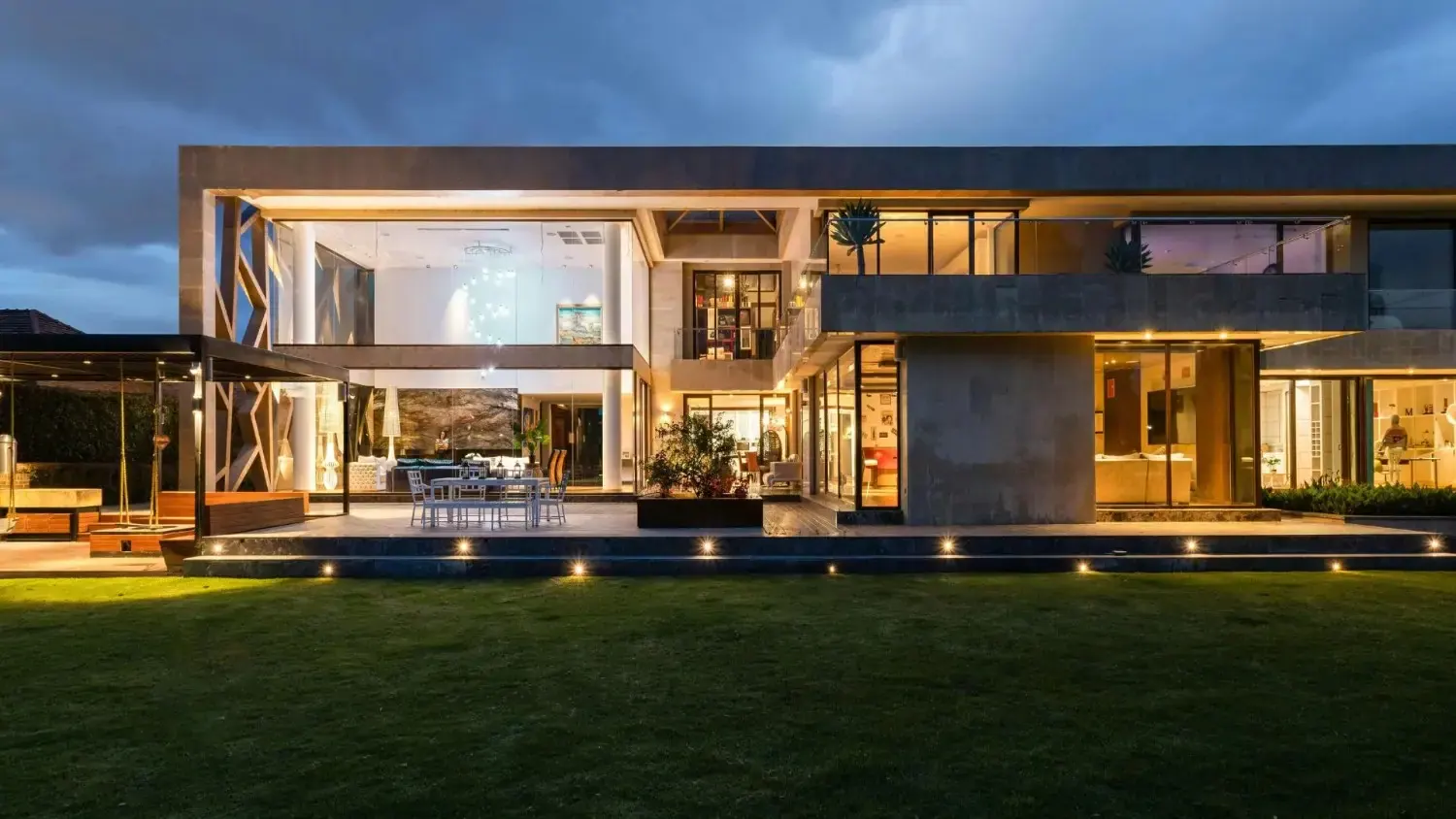
The gap between what gets designed and what gets built is where most construction projects lose their value. Professional construction project management closes that gap – protecting your investment, your timeline, and the quality of the home or space you envisioned from the very beginning.
Studio Interplay brings the design intelligence and construction management discipline to ensure that what is designed is what gets built – precisely, and without the surprises that make construction stressful. If you have a project that deserves to be delivered properly, the conversation starts here.
Frequently Asked Questions
Q1: What is a construction project management company?
A construction project management company is a professional firm that plans, coordinates, and supervises a construction project from pre-construction through to handover. Their role is to ensure the project is delivered on time, within budget, and to the quality specified in the design drawings.
Q2: Why do I need construction project management for a residential project?
Even relatively straightforward residential projects – a home build, a villa, a full renovation – involve multiple contractors, complex sequencing, significant material procurement, and dozens of daily decisions that affect quality and cost. Without professional management, these projects routinely run late, exceed budget, and deliver substandard results. Construction management prevents this.
Q3: What is included in the scope of construction management?
The scope of construction management typically includes pre-construction planning and programming, contractor selection and briefing, site supervision, trade coordination, material inspection, variation management, cost tracking, progress reporting, and structured handover with snagging resolution.
Q4: How does building construction project management save money?
Professional construction management saves money by preventing costly errors before they are built in, managing variations formally rather than absorbing hidden costs, and ensuring contractors are held to specification – reducing the rework and remediation costs that consistently inflate unmanaged project budgets.
Q5: What is the difference between a contractor and a construction project management company?
A contractor executes the work. A construction project management company oversees and coordinates the work – acting as the client’s representative on site, ensuring the contractor delivers to specification, and managing all the coordination between different trades and suppliers that contractors often don’t manage effectively when left to self-coordinate.
Q6: How does construction project management in India differ from global standards?
The fundamentals of good construction management are consistent globally. In India, the additional challenges include regulatory complexity, supply chain variability, and the management of multiple small specialist contractors rather than single large main contractors. Experience in the Indian market – knowledge of local supply chains, regulatory processes, and construction methodologies – is essential for effective PMC in India.
Q7: What is a construction management system?
A construction management system is the set of tools, processes, and protocols that a construction manager uses to plan, track, and report on a project. This includes programme management software, cost tracking frameworks, document control systems, and quality inspection protocols. The sophistication of a firm’s construction management system is a good indicator of the quality of their management capability.
Q8: Does Studio Interplay offer standalone construction project management services?
Studio Interplay’s construction management capability is most powerful when integrated with their design services – because managing a project they designed allows them to supervise against a brief they fully understand. For clients who have an existing design and need professional construction oversight, a consultation with Studio Interplay will clarify the best structure for their specific project.
Q9: At what stage should I engage a construction project management company?
As early as possible – ideally before contractor selection or construction begins. The pre-construction phase is where the most consequential decisions are made, and professional management at this stage prevents the planning gaps that cause problems during execution. Engaging a PMC after problems have already appeared costs more and resolves less.

Co-Founder & Principal Designer at Studio Interplay
Palak approaches design as a dialogue between space and emotion. With a deep appreciation for materiality and detail, she creates interiors that reflect the people who inhabit them rather than the trends of the moment.