Quick Navigation
Your commercial space is doing one of two things at any given moment – it’s working for your business, or it’s quietly working against it. How a client feels when they walk into your office, how efficiently your team moves through a retail floor, how legible your building is from the street – these are not peripheral concerns. They are direct business outcomes, shaped entirely by the quality of commercial architecture design.
Yet most business owners approach a commercial build or fit-out the way they approach a procurement decision: looking for the lowest cost that meets a minimum specification. The businesses that get it right treat it differently. They treat it as a strategic investment – one that shapes brand perception, operational efficiency, and the experience of everyone who walks through the door.
This guide is for business owners who want to get it right.
Why Commercial Architecture Is a Business Decision, Not Just a Design One
The most important shift in thinking about commercial architecture design is this: every spatial decision has a business consequence.A poorly planned office layout creates collaboration friction that slows decisions. A retail floor designed without customer flow analysis loses sales on every visit. An exterior commercial building design that doesn’t communicate what a business does – or who it’s for – loses potential customers before they ever step inside.
Conversely, a well-designed commercial space:
- Strengthens brand identity – the physical environment is the most tangible expression of what your business stands for
- Improves team performance – workspace design directly affects focus, collaboration, and employee wellbeing
- Creates a better client experience – first impressions are formed in seconds; architecture shapes them before a word is spoken
- Adds long-term asset value – quality commercial design ages well and commands better rental or resale outcomes
These are not abstract benefits. They are measurable business outcomes, and they begin with a clear-eyed architectural brief.
Types of Commercial Projects – And What Each Requires
Not all commercial architecture is the same. The design intelligence required for an office fit-out is different from what a retail environment demands. Understanding these distinctions helps you brief the right team correctly.
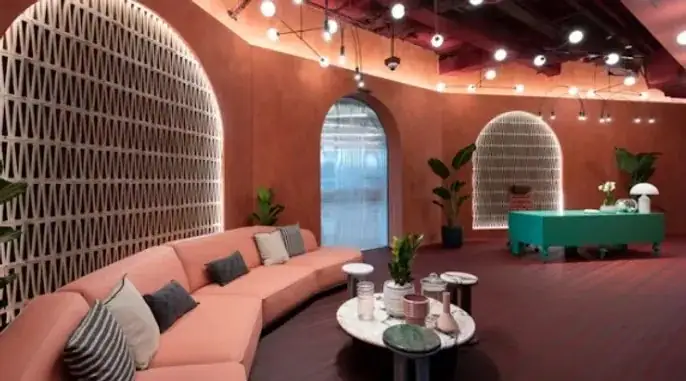
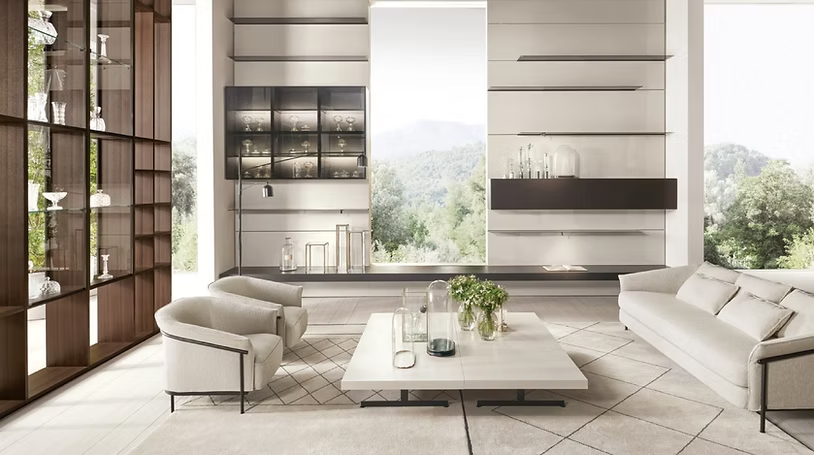
Office and Corporate Spaces
The workplace has changed fundamentally. Hybrid working models, increased emphasis on collaboration, and a renewed focus on employee wellbeing have made office design more complex – and more consequential – than it has ever been.
Modern commercial building plans for offices now need to balance:
- Focused individual work zones with acoustic separation.
- Open collaborative areas that actually encourage interaction, not just proximity.
- Client-facing spaces that communicate brand authority.
- Breakout and wellness zones that support people through the working day.
The days of rows of desks under fluorescent lighting are over. Businesses that haven’t updated their workspaces are operating in environments that were designed for a work culture that no longer exists.
Retail and Customer-Facing Environments
In retail, architecture is directly tied to revenue. The path a customer takes through a space, the way products are presented at different sight lines, the relationship between exterior commercial building design and footfall – all of these are spatial decisions with financial consequences.
Modern retail building design needs to solve for:
- A facade and entrance that communicates clearly and creates the desire to enter.
- An interior flow that guides customers naturally without feeling forced.
- Lighting that serves both product presentation and brand atmosphere.
- Flexibility to accommodate seasonal display changes and evolving product lines.
Small commercial complex design for multi-tenant retail or mixed-use developments adds another layer: creating a coherent identity for the whole while allowing individual tenants to express their own brand within it.
Hospitality and Mixed-Use Developments
Hotels, restaurants, coworking spaces, and mixed-use commercial developments each carry their own design logic. What they share is the requirement for architecture that manages multiple user experiences simultaneously – guests, staff, service, and logistics – without any of those systems becoming visible to the people they serve.
What Good Architectural Planning Services Actually Deliver
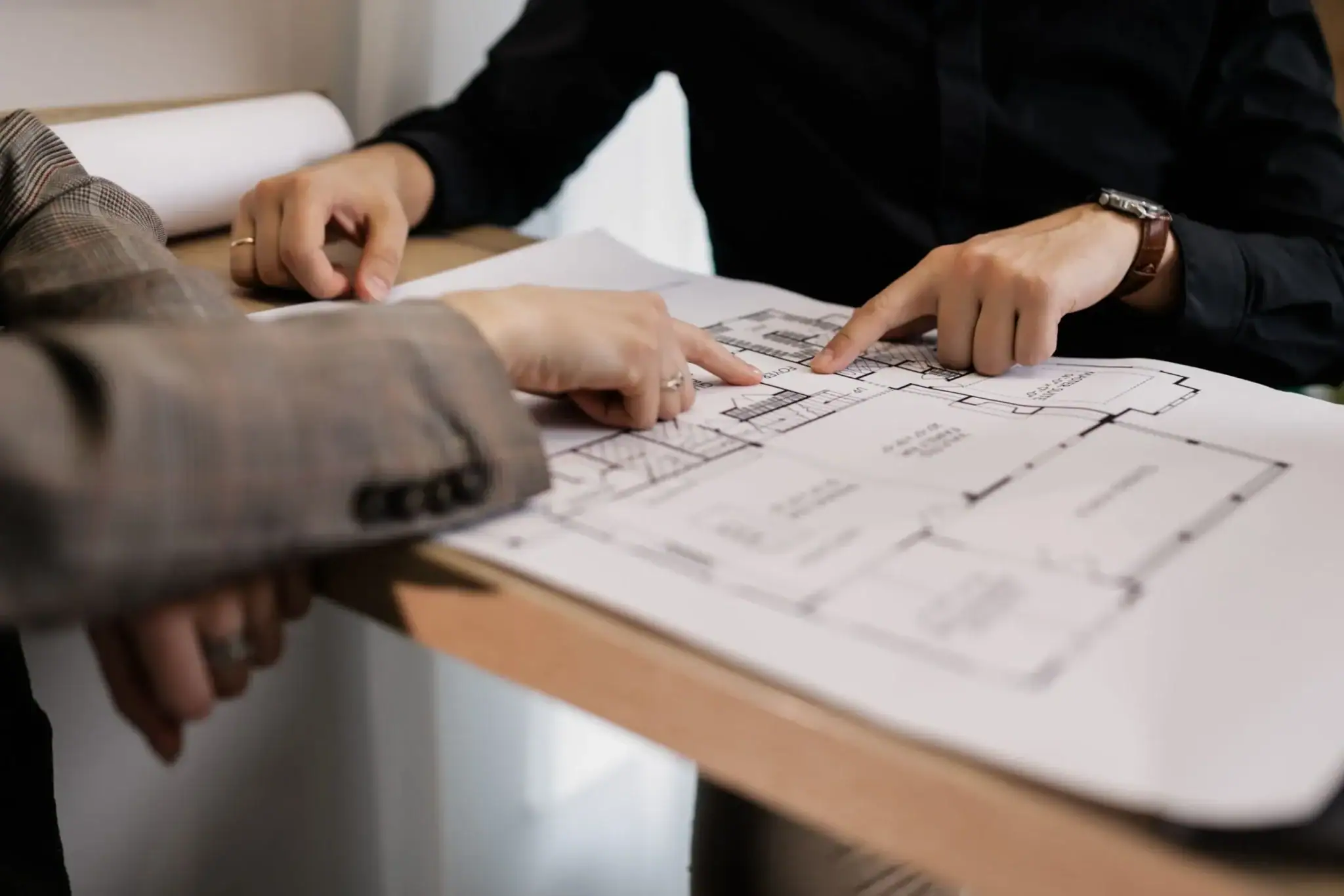
This is where most business owners are surprised by the scope of what professional architectural planning services cover. A thorough commercial architecture engagement includes:
- Site and brief analysis: Understanding the business objectives, user requirements, regulatory context, and site constraints before any design begins.
- Space planning and layout optimisation: How the floor area is allocated determines everything that follows – circulation, workflow, zoning, and the experience of the space.
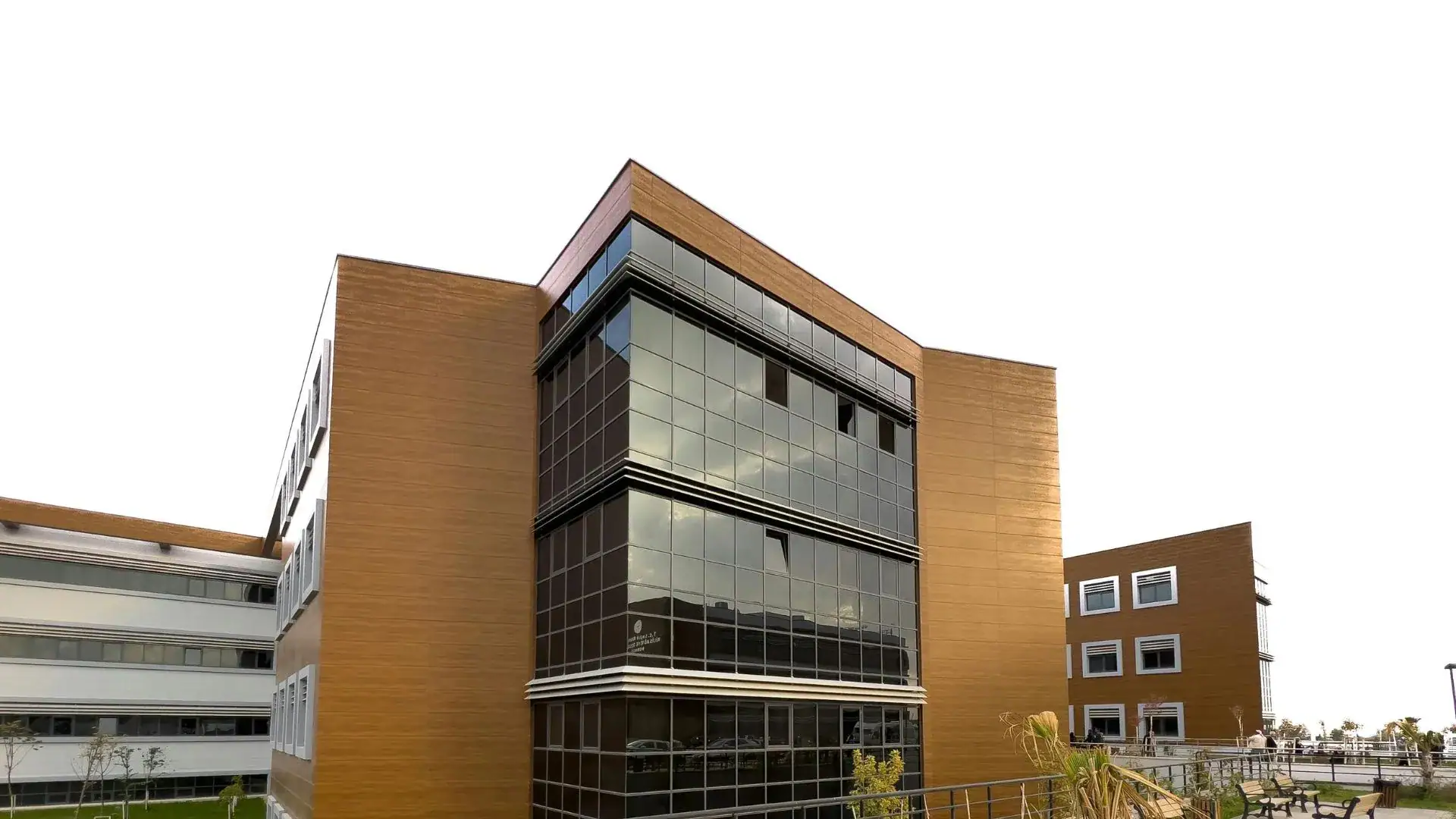
- Exterior design and facade planning: How the building presents to the street and communicates brand identity before anyone enters.
- Material and finish specification: Commercial-grade materials that perform under heavy use while supporting the design aesthetic.
- Regulatory approvals and compliance: Fire safety, building codes, occupancy regulations, and local authority requirements – managed proactively, not reactively.
- Site supervision and quality control: Ensuring that what is designed is actually what gets built – the most common failure point in commercial construction.
The distinction between architecture design services that cover this full scope and those that hand over drawings and step back is enormous. The latter leaves a business owner managing execution without the expertise to do so effectively.
Why Studio Interplay Brings a Different Approach to Commercial Architecture
Studio Interplay is a founder-led architecture and interior design studio based in Gurugram, delivering commercial architecture design and residential projects across Delhi NCR and India. Founded by principal architect Aditya Puri and principal designer Palak Ranpura, the studio approaches every commercial project with the same integrated discipline that defines their residential work – architecture and interiors as one continuous design act, not two sequential phases.
For commercial clients, this integration is particularly valuable. The architectural planning of a commercial space and the interior design of that space are not separate conversations. The ceiling height, structural grid, facade openings, and service core positions all have direct interior consequences. When both are designed by the same team, with the same brief, from the same starting point, the result is coherent in a way that separately managed projects rarely achieve.
Their commercial architecture design services cover the full project lifecycle: discovery and briefing, site analysis, concept development, 3D visualisation, working drawings, material specification, regulatory coordination, and active site supervision through to handover. Budgets are transparent from day one. Timelines are held. And the principals are personally involved throughout – not signing off from a distance.
Whether you’re planning a corporate office, a modern retail building design, a small commercial complex, or a mixed-use development, Studio Interplay brings the design intelligence and execution discipline that commercial projects at any scale demand.
Your Commercial Space Should Work as Hard as You Do
The best commercial architecture design doesn’t announce itself. It simply makes your business work better – for your clients, your team, and your brand. Every spatial decision, from the entrance experience to the back-of-house workflow, either supports your business goals or subtly undermines them.
Studio Interplay brings the architectural intelligence, integrated design approach, and personal commitment to ensure your commercial space does the former – consistently, and for the long term. If you’re planning a commercial project that deserves to be done right, the most important conversation starts here.
Frequently Asked Questions
Q1: What is included in commercial architecture design services?
A full-scope commercial architecture engagement covers site analysis, brief development, space planning, exterior and interior design, material specification, regulatory approvals, working drawings, and site supervision. Studio Interplay manages this complete lifecycle – so clients have one accountable partner throughout.
Q2: How does exterior commercial building design affect business performance?
The facade and street presence of a commercial building create the first impression of your business – before any client interaction occurs. Legibility, brand alignment, and visual quality at street level directly influence footfall for retail and brand perception for office and corporate environments.
Q3: What is the difference between architectural planning services and interior design? Architectural planning covers structure, spatial layout, building envelope, services integration, and regulatory compliance. Interior design addresses how finished spaces feel and function. For commercial projects, both need to be aligned from the beginning – which is why Studio Interplay integrates them under one team.
Q4: How long does a commercial architecture project take?
Timelines vary significantly with project scale. A commercial fit-out for an office or retail space typically takes 3 to 6 months from brief to handover. New construction or larger mixed-use developments take considerably longer. Studio Interplay sets realistic, detailed timelines at the outset and communicates clearly throughout every stage.
Q5: Is good commercial architecture design worth the investment for smaller businesses?
Yes – and the return is often faster than expected. Well-designed commercial spaces improve client conversion, team productivity, and brand perception simultaneously. For small commercial complex design, the challenge of creating a high-quality outcome within a constrained budget is one that experienced architects solve through spatial intelligence, not simply by spending more.
Q6: How does Studio Interplay approach modern retail building design?
Retail design at Studio Interplay begins with understanding the customer journey – how people move through the space, where attention is naturally drawn, and how the environment supports purchasing behaviour. The facade, layout, lighting, and material story are all designed in service of that journey.

Co-Founder & Principal Designer at Studio Interplay
Palak approaches design as a dialogue between space and emotion. With a deep appreciation for materiality and detail, she creates interiors that reflect the people who inhabit them rather than the trends of the moment.