Quick Navigation
Choosing an architect for your home is one of those decisions that feels straightforward until you’re actually in it. There are portfolios to review, fee structures to decode, communication styles to assess, and a nagging suspicion that every firm sounds the same on paper.
What most guides won’t tell you is this: the biggest mistakes homeowners make when hiring an architecture design company have very little to do with design aesthetics. They have everything to do with compatibility, process, and whether the firm you choose can actually see your project through, not just draw it.
Here’s how to approach that decision clearly.
Understand What You’re Actually Looking For First
Before you open a single portfolio, get honest about the scope of your project.
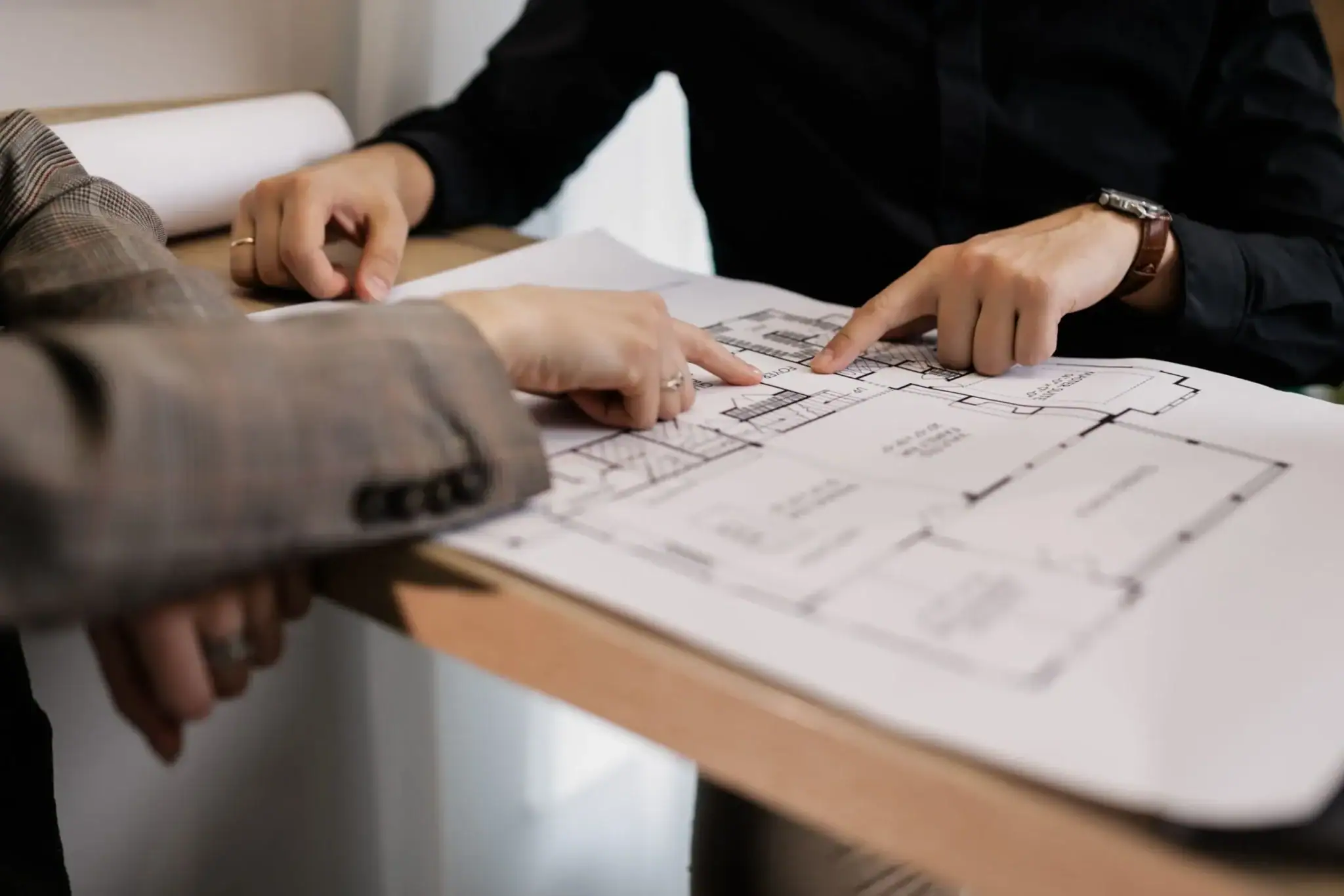
Are you building from the ground up? That’s a full architectural brief: site analysis, structural planning, local approvals, layout design, material specification, and construction coordination. Are you working with an existing structure you want to redesign? That’s more interior architecture than structural architecture, and the firm you need looks different.
The distinction matters because many homeowners approach a pure architectural firm for a project that actually calls for an architecture and interior design company: a studio that can handle both the structural thinking and the spatial experience under one roof. Managing them separately introduces a coordination gap that consistently produces inconsistencies in the finished home.
If your goal is a home that feels as considered on the inside as it looks on the outside, find a firm that holds both disciplines.
What to Look for in a Portfolio of Architecture Design Company – Beyond the Photographs
Every firm will show you its best work. The photographs will be lit beautifully, shot on a good day, and chosen to impress. Looking past that takes some deliberate effort.
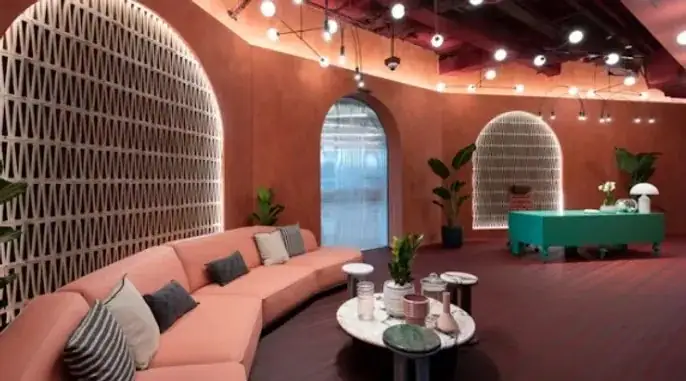
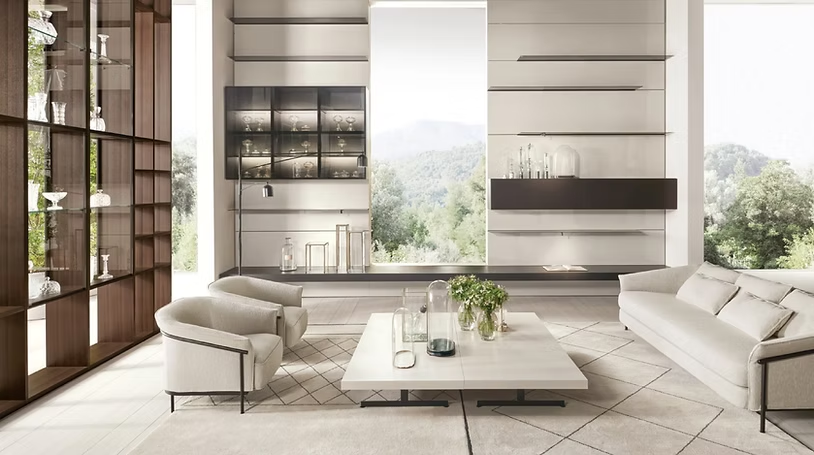
Look for a range within a point of view: A strong architectural design portfolio shows different typologies, a compact apartment, a larger villa, and a commercial interior, but with a consistent underlying sensibility about proportion, light, and material. If everything looks like a different studio made it, that’s not versatility; it’s a lack of design conviction.

Check our project here: https://studiointerplay.com/portfolio/
Look for projects that match your constraints: If you have a small plot, find a firm with experience in architect design for small houses, where the challenge of limited square footage has been solved with intelligence rather than compromise. Smart space planning in a compact home is genuinely harder than designing in abundance, and not every firm is equally capable at both ends of the scale.
Ask about the process behind the photographs: What was the brief? What constraints did they work within? What would they do differently? Architects who can answer this honestly are architects who learn from every project, which is exactly who you want.
Architecture Design Company vs. Interior Designer: The Question Worth Resolving Early
This is one of the most common points of confusion for homeowners, and one that almost no one addresses directly.
An architect works from the outside in: structural integrity, spatial layout, circulation, natural light, building envelope, and compliance. An interior architect firm or interior designer works from the inside out: how a space feels, how it’s finished, how furniture and materials come together to create a liveable environment.
For most residential dream home projects, you need both – and the best outcome comes when those two disciplines are genuinely integrated, not coordinated after the fact. When an architect designs a room and a separate designer later specifies the interiors, you often end up with spaces that are structurally sound but aesthetically disconnected.
The most seamless homes come from studios where architectural thinking and interior sensibility are held by the same team, applied to the same project brief, from day one.
The Questions Most Homeowners Forget to Ask
Reviewing a portfolio and checking credentials are table stakes. The questions that actually reveal whether a firm is right for you are the ones that most people feel awkward asking:
Who will actually be working on my project? In many large firms, the principal presents the pitch, and a junior team executes. Know who you’re hiring beyond the meeting room.
What does your site supervision actually look like? Brilliant architectural designs can be poorly built. A firm that disappears after issuing drawings is not a full-service partner.
How do you handle scope changes and budget shifts? They will happen. How a firm communicates and adapts when they do tells you everything about what the relationship will feel like under pressure.
Can I speak to past clients? Not just read testimonials – actually have a conversation. Ask what was harder than expected and how the firm responded.
Why Studio Interplay Approaches Architecture Differently
Studio Interplay is an architecture and interior design company based in Gurugram, founded by principal architect Aditya Puri and principal designer Palak Ranpura. What makes their approach distinct is precisely the integration that most homeowners are searching for: architectural planning and interior design are not separate services that happen to be offered by the same firm. They are genuinely unified from the moment a project brief is written.
Aditya brings structural rigour and spatial intelligence to every project – optimising layouts for natural light, circulation, and long-term liveability. Palak brings material sensitivity, tactile warmth, and an understanding of how finished spaces feel to live in. Together, their work produces homes where the architecture and the interior are in genuine conversation with each other – not two separate projects that coexist under the same roof.
Their process is thorough and transparent: discovery, site evaluation, concept development, 3D visualisation, material specification, and active site supervision through to handover. Budgets and timelines are set clearly. Clients are involved and informed at every stage – not handed a completed project and surprised by the result.
Their residential portfolio spans apartments, villas, and independent homes across Gurugram, Delhi, and Noida – all marked by the same quality: spaces that feel intentional, personal, and built to last.
The Right Architecture Design Company/Partner Makes Every Other Decision Easier
Every choice in a home project – materials, layout, interiors, budget – flows downstream from the architectural decisions made at the beginning. Getting that foundation right isn’t about finding the most prestigious name. It’s about finding a team with the right process, the right integration of skills, and the right commitment to seeing your project through.
Studio Interplay is built to be exactly that partner. If you’re planning a home that deserves to be done with care and precision, the first conversation is the most important one.
Frequently Asked Questions
Q1: What is the difference between an architect and an interior designer for home projects?
An architect focuses on structure, layout, spatial flow, and building compliance. An interior designer focuses on how a space looks, feels, and functions from within. For a dream home project, both disciplines are essential – and the most cohesive results come from firms that integrate both rather than handling them separately.
Q2: How much does an architecture design company charge in India?
Fees vary based on project scope, service type (design-only vs. full turnkey), and total built area. Studio Interplay provides a transparent, customised fee proposal from the first consultation – with no vague estimates that expand later.
Q3: When should I bring in an architect – before or after buying a plot?
Before, if at all possible. An experienced architect can evaluate a plot’s orientation, soil conditions, access, and regulatory constraints before you commit – information that significantly affects what you can build and how much it will cost.

Co-Founder & Principal Designer at Studio Interplay
Palak approaches design as a dialogue between space and emotion. With a deep appreciation for materiality and detail, she creates interiors that reflect the people who inhabit them rather than the trends of the moment.